
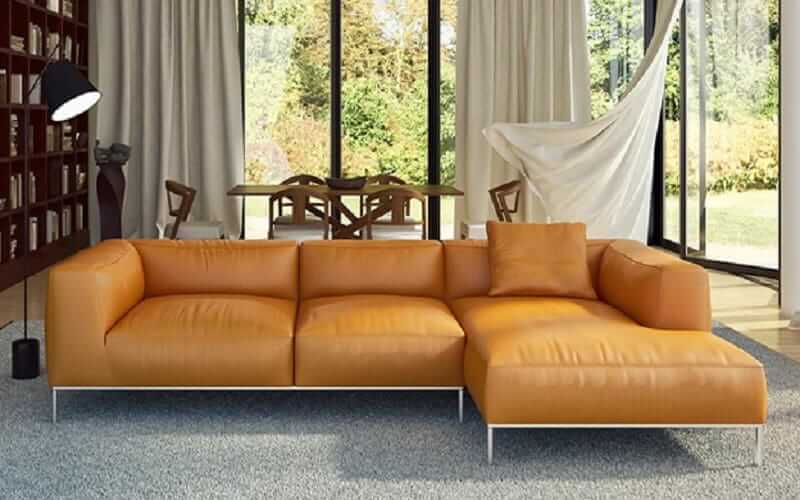
A living room is more than just a place to sit after a long day. It is where conversations happen, memories are created, and comfort takes centre stage. Creating a warm and inviting atmosphere does not always require a complete makeover or expensive renovations. Often, the right combination of furniture, lighting, textures, and styling choices can completely transform the mood of the space.
Whether you are selecting a fabric sofa, a timber coffee table, or a leather lounge for your Perth home, the key is to focus on comfort and balance so the room feels welcoming from the moment someone walks in.
Tips to Make Your Living Room Warm and Inviting
Start with Comfortable and Functional Furniture
Furniture plays a major role in setting the tone of a living room. Oversized pieces can make the space feel cramped, while furniture that is too small may leave the room feeling cold and incomplete. The goal is to strike the right balance between functionality and comfort.
A comfortable sofa should always be the centrepiece of the room. Soft cushions, supportive seating, and quality upholstery instantly create a cosy atmosphere. Pairing the sofa with armchairs or an ottoman can help establish a more conversational layout that encourages people to sit together comfortably.
Layer Different Textures for Depth
One of the easiest ways to make a living room feel warm is by layering textures throughout the space. A room that only uses one texture can feel flat and uninspiring, while a combination of materials creates depth and character. Even small additions can change the atmosphere significantly.
Soft throws, rugs, or cushions can make the room feel more comfortable. Mixing these textures creates visual interest without overwhelming the space. The layering effect also makes the room appear more lived-in and welcoming rather than overly styled.
Create a Layout That Encourages Connection
A welcoming living room should encourage conversation and interaction. Furniture placement plays an important role in achieving this feeling. If seating is too spread out or disconnected, the room may feel awkward and less inviting.
Arranging furniture around a central point can create a stronger sense of connection. Whether you are styling a compact sofa, a recliner, or corner lounges in Perth homes, choosing a layout that maximises comfort and flow can make the entire room feel more functional and relaxing. A thoughtful arrangement helps create an environment where people naturally want to gather and spend time together.
Use Warm Lighting Instead of Harsh Brightness
Lighting has a powerful effect on how a living room feels. Bright white lighting can sometimes make the space feel clinical and uninviting, especially during the evening. Warm lighting creates a softer atmosphere that encourages relaxation and comfort.
Instead of relying on a single overhead light, use multiple light sources around the room. Natural light should also be embraced wherever possible. During the day, light curtains can allow sunlight to enter while still maintaining privacy. In the evening, warm-toned bulbs can help maintain a relaxed and intimate setting.
Choose Colours That Feel Calm and Welcoming
Colour selection influences the emotional feel of a room more than many people realise. Warm neutral shades tend to create a calm and inviting environment, while overly bright colours may feel distracting or overpowering.
The key is to maintain harmony throughout the room rather than using too many competing shades. Consistency in colour creates a smoother visual flow, making the living room feel more connected and thoughtfully designed.
Conclusion
Creating a warm and inviting living room is about combining comfort, functionality, and personal style in a balanced way. From choosing the right furniture and layering textures to using warm lighting and calming colours, every detail contributes to the overall atmosphere of the space. By focusing on thoughtful styling choices and creating a sense of connection throughout the room, it becomes possible to transform even the simplest living area into a cosy and relaxing retreat.
Frequently Asked Questions
How can a living room feel warmer without renovating?
A living room can feel warmer by adding soft textures, layered lighting, cosy rugs, and comfortable furniture.
What colours make a living room feel more inviting?
Warm neutral tones such as beige, cream, soft grey, muted green, and earthy shades are ideal for creating a welcoming living room. These colours help the space feel calm, balanced, and comfortable.
Why is lighting important in a living room?
Lighting affects the mood and comfort of the space. Warm lighting creates a relaxing environment, while harsh, bright lighting can make the room feel cold.
How can textures improve a living room design?
Layering textures such as cushions, rugs, throws, and upholstered furniture adds depth and warmth to the room.
How can a small living room feel more welcoming?
A small living room can feel more welcoming by using smart furniture placement, soft lighting, light colours, and clutter-free styling.